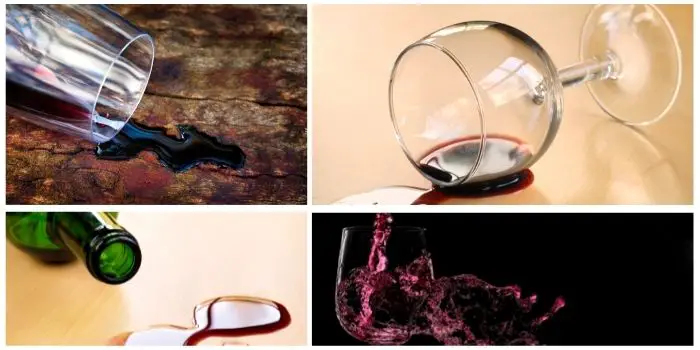
Although pure alcohol evaporates without leaving behind any residue, alcoholic drinks like whiskey may still damage the finish on the wood surfaces like your table, couch, or hardwood floor.
If that is the case, having a bottle of pure or rubbing alcohol may clear up the stain.
Simply dab a little onto a clean cloth and rub over the spilled beer, wine, tequila, or vodka stains. This may lift the liquor stains from the wood and cause them to clear up.
However, depending on the type of wood and liquor, this method to remove the liquor stains from wood might not work in all cases.
You will therefore need to use other time-tested techniques that can work.
But before we understand those techniques and detailed steps, let’s understand why alcoholic drinks leave stains on wood.
Why Does Liquor & Beverages Stain Wood?
Liquor or alcoholic beverages like beer, champagne, and Hennessy are created from grains or plants that contain alcohol.
While liquor is mostly crafted from natural products, there may be artificial dyes included as well.
These dyes, along with the sugars and juice, can leave behind a stain on the wood if you happen to spill them on your wood floors or furniture.
You can avoid getting stains if you clean the surface immediately. But in some cases, you may have to use something stronger, such as bleach, to remove the Bourbon whiskey stain.
Is getting whiskey stains out of wood easy?
Well, the easy answer is yes, and no.
Many factors will determine how easy it will be to remove split whiskey stains from your furniture.
Some of these factors include:
- What kind of wood is the furniture made of?
- What kind of finishes does the furniture or tabletop have?
- How long was the whiskey (or other alcoholic drink) left sitting there?
The good news is – if the whisky stain on the wood is not allowed to sit and seep in for very long in the wood, you can remove it.
But if it’s already had enough time (say overnight), you will have a hard time dealing with it.
How to Remove Stains Caused by Alcoholic Drinks?
The simple solution of rubbing alcohol or bleach may not provide all the answers, depending on the type of liquor that created the stain.
For example, clear liquors such as gin or vodka are fairly easy to clean up since they lack the dyes and other artificial products that often cause stains to occur.
On the other hand, red wine can be quite an issue to clean up. This is because the grape juice within the wine is causing the stain.
Because it can penetrate the wood and leave behind its natural dye, it may take bleach to remove it.
In all cases, here are the steps you should take to remove a stain from wood caused by liquor.
Step 1 – Blot
Get a paper towel or a clean rag and blot the area to remove all the liquid remaining.
Do not rub, as this will only spread the staining elements to other surface parts.
Step 2 – Wipe
Once you have blotted up all the liquor possible, mix a solution of warm water and dish soap and gently wipe it on the surface.
This will remove all the sugars and flavoring ingredients from the liquor that have not deeply penetrated the wood.
Step 3 – Rub
Take some linseed oil or wax and rub it into the location where the beer or alcohol has spilled.
This will remove any remaining alcohol so that it does not damage the finish.
If you are dealing with an old stain, you’ll want to mix the linseed oil or wax with rottenstone and rub it with the wood grain for maximum effect.
Step 4 – Sand
Use 120-grit sandpaper if the stain is still present. This will lift away the top layer of the wood and help you get at the stain.
Once completed, you can use chlorine bleach to remove the stain.
Step 5 – Bleach
If the stain is still present, spread undiluted household bleach over the area and let it sit overnight.
If this does not remove the entire stain, repeat the process, and let the bleach sit overnight again.
If that does not work, then your only choice is to sand and scrape the stain until it is entirely removed.
You’ll need to add more finish to replace what you have removed.
Apply a coat, let it dry, scuff it with 22-grit sandpaper and apply a second coat.

How to Get the Smell of Wine Out of Furniture?
Though the smell of whisky, beer, and wine dissipates over time, there are certain wood materials that can soak them and can emit a strong, pungent odor for a long.
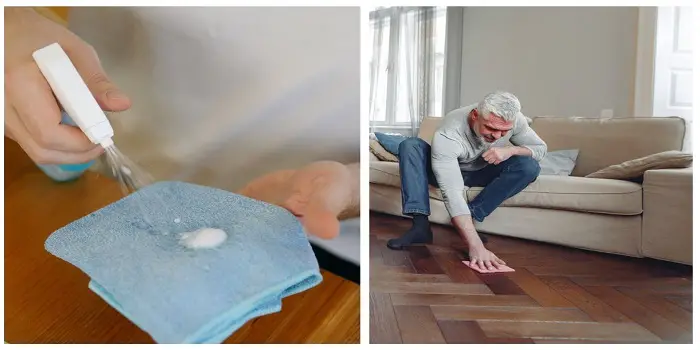
To neutralize the smell of wine on your living room wood furniture, try making a cleaning solution out of warm water and baking soda (or ammonia).
Use a spray bottle for treating the furniture or floors where you have spilled the wine. Make sure you do not allow the odor remover solution to oversoak.
Another good alternate solution to get rid of whiskey’s unwanted smell is heat.
You can try running your hairdryer over stained areas for a few minutes and check if the smell is gone.
When using a hairdryer, be cautious not to blow a steady stream of heat near the carpets or other nearby things that can catch fire.
How to Remove Beer Leaked on a Wooden Cabinet?
Ouch. That’s a sticky situation—literally.
Beer is a triple threat to wood because of the moisture (warping/rings), the sugar (stickiness), and the yeast/proteins (the lingering pub smell).
Here is a step-by-step guide to getting your cabinet back to its former glory without ruining the finish.
1. The Immediate Cleanup
When dealing with a fresh beer spill, speed is your absolute best friend because wood is naturally porous; the longer the liquid sits, the deeper the stale smell and dark stains will penetrate the fibers.
To handle this effectively, you should always blot the spill rather than rub it, using a soft microfiber cloth or paper towels to soak up the liquid.
Rubbing is risky because it can inadvertently push the beer deeper into the wood grain or into tiny micro-scratches in the finish.
Once the main puddle is gone, perform a “double wipe” by cleaning the area with a slightly damp—not soaking—cloth to lift any sticky sugar residue, then immediately following up with a dry cloth to buff the surface bone-dry.
2. Removing the Sticky Residue & Stains
If the beer has dried and left a tacky film or a dark spot, you need a gentle surfactant like a dish soap solution.
- Mix a few drops of mild dish soap in a bowl of warm water.
- Swish it around to create suds.
- Dip a soft cloth into the suds only (keep the cloth barely damp).
- Then gently wipe the area.
For tough stains or if a “white ring” has appeared, it means moisture is trapped in the wax/finish.
You can often lift this by applying a small amount of non-gel toothpaste to a soft cloth and buffing very gently with the grain, then wiping clean.
3. Killing the “Stale Pub” Smell and Restoration
The smell comes from bacteria feeding on the organic matter in the beer. You need to neutralize it, not just mask it.
- White Vinegar: Mix a 50/50 solution of water and white distilled vinegar. Vinegar is an acetic acid that kills odor-causing bacteria and cuts through beer enzymes.
- Baking Soda (The Dry Method): If the smell is inside a drawer or cabinet, place a small bowl of dry baking soda inside and close the door for 24 hours. It will pull the odors out of the air and the wood.
Cleaning can sometimes strip the natural oils or wax from the wood.
So, once the area is completely dry, do not forget to use a high-quality wood polish or a bit of coconut oil to restore the wood’s shine and provide a protective barrier against future spills.
Note: Test a small, hidden spot first to ensure it doesn’t dull your cabinet’s specific finish.
Things to avoid when removing leaked beer from a wooden cabinet…
- Abrasive Scouring Pads: These will scratch the sealant and make the wood more vulnerable to future leaks.
- Harsh Chemicals: Avoid bleach or ammonia, as they can permanently discolor the wood.
- Heat: Don’t try to “dry out” the wood with a hair dryer on high heat; this can cause the wood to crack or the finish to bubble.
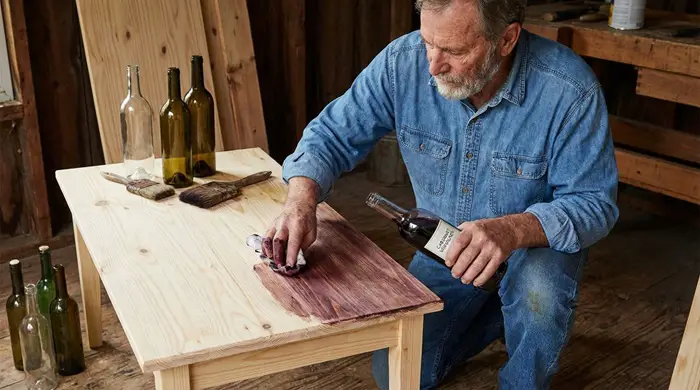
Can You Use Whiskey or Wine as a Wood Stain on Furniture?
If you’ve ever spilled a little whiskey or wine on a wooden table, you might have noticed something curious: the spot sometimes leaves a faint tint behind.
That small accident raises an interesting question—could these drinks actually work as a natural wood stain?
It may sound like a workshop experiment gone slightly off the rails, but the idea has a certain logic.
Whiskey carries warm amber tones, wine is packed with deep pigments and tannins, and wood is famously receptive to both.
So before you wipe that spill away—or sacrifice a perfectly good drink in the name of curiosity—it’s worth asking: can whiskey or wine really stain wood in a meaningful way, or is it just a messy myth waiting to happen?
The short answer: yes, whiskey or wine can stain wood—but not in the way most woodworkers would want.
What actually happens?
Wine has the best chance of leaving a visible mark. It contains strong pigments called anthocyanins along with tannins—the same compounds that give red wine its deep color and dry taste.
When spilled on unfinished or porous wood, these pigments can soak into the grain and leave a pink, purple, or brownish tint.
But there are two problems:
- The color is very uneven because liquids soak differently across the wood grain.
- The stain is not colorfast—it can fade quickly with light, cleaning, or time.
Whiskey, on the other hand, rarely works well as a stain. Its golden color mostly comes from the charred oak barrels used during aging, but the liquid itself contains very little pigment.
When applied to wood, it usually just evaporates and leaves almost no visible color change.
Why do woodworkers not use them?
Professional wood stains are designed with:
- Concentrated pigments or dyes
- Binders that lock color into the wood
- Even penetration for consistent color
Wine and whiskey have none of these properties. At best, they create a temporary tint; at worst they leave blotches or sticky residue from sugars (especially with wine).
The one situation it might be interesting…
If you’re experimenting with artistic or rustic finishes, red wine can sometimes create a subtle aged look on light woods like pine or maple.
If you want, you can try this natural staining process for your indoor furniture or things outdoors like garden furniture, birdhouses, and feeders.
But even then, it usually needs to be sealed quickly with shellac or polyurethane to preserve whatever color remains.
Final Thoughts
When you see a stain in wood caused by spilled liquor, it is not the alcohol that creates the stain. Many other elements in your spilled drink may cause the stain.
While there are ways to get rid of these stains, if the finish on the wood is damaged severely, you may have to remove and reapply a new finish, depending on the extent of the damage.
Share the post "How to Remove Spilled Whiskey Stains from Wood?"

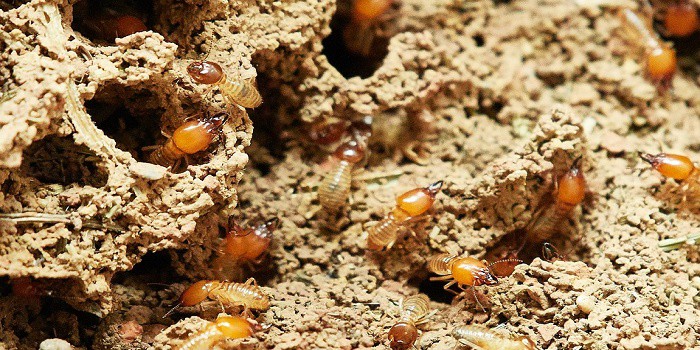
Termites are recognized as one of the most troublesome pests all over the world. They are small and numerous and Read more
Our bedroom is a special place where we find relaxation and refresh after a hard day of toil - the Read more
Let’s be honest: buying a sofa is a bit like dating. In the beginning, it’s all about the looks. You Read more
Wooden furniture, trims, doors, and windows are so long-lasting that you can easily repair and reuse them even after they Read more
Hi, I am Mark Garner a professional carpenter, woodworker, and DIY painter. I live in the small city of Peoria, Arizona as a semi-retired woodworker. I have started this blog with a simple motive to help you with my wood experience in this sector. If you like to know more about what I love doing and how it all got started, you can check more about me here.